
Can Early Tooth Decay Be Reversed? A Mesa Dentist Weighs In
The Difference Between Early Change and a Cavity
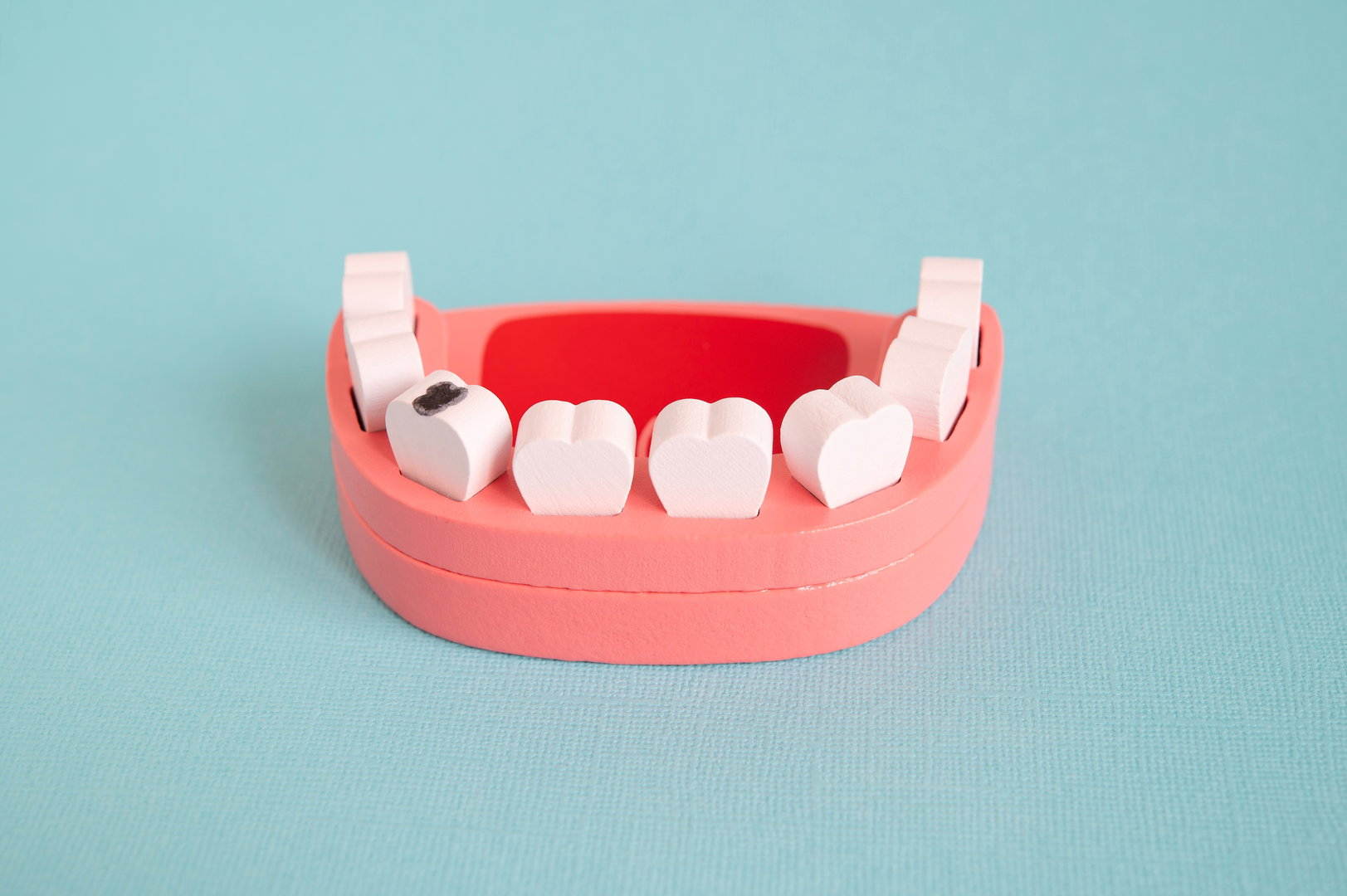
The answer depends on how far tooth decay has progressed. In its earliest stage, enamel can lose minerals while the surface remains intact. With appropriate preventive care, some of that mineral loss can be repaired through remineralization.
Once a true opening has formed in the tooth, however, the missing structure does not grow back on its own. A Mesa dentist can explain which stage applies and whether preventive care or restoration is the right next step.
How Remineralization Works
Saliva naturally supplies minerals that help support enamel. Fluoride can make this process more effective and help the surface resist future acid exposure. Brushing with fluoride toothpaste is one common way to support this protective process.
The result depends on the condition of the enamel and the habits affecting it. That is why a dentist may recommend both a preventive product and adjustments to everyday routines.
When Prevention Is Appropriate
An early change may be monitored during regular dental visits. Your dentist can compare the appearance of the area over time and determine whether the plan is working. A visible spot alone does not establish whether remineralization is possible.
Depending on your needs, recommendations may include:
- Using fluoride toothpaste consistently
- Receiving a professional fluoride application
- Cleaning carefully around the affected area
- Reducing how often teeth are exposed to sugary drinks
When a Restoration Makes More Sense
If decay has created a cavity, the dentist may recommend a filling to restore the tooth’s shape and function. A larger affected area can require another type of restoration. The choice is based on an examination rather than the appearance of a spot alone.
Restorative care and preventive care work together. After a tooth is restored, daily brushing, cleaning between teeth, and regular checkups remain important for protecting the rest of your smile.
How Your Dentist Checks Progress
When an area is being managed preventively, your dentist may document its appearance and review it at a later appointment. Changes in surface texture, dental images when indicated, and your oral care habits can all contribute to the assessment. This helps determine whether remineralization-focused care remains appropriate.
Ask what the team will be looking for at the next visit. Understanding the purpose of monitoring makes it easier to follow the plan and recognize why a recommendation might change if the tooth’s condition changes.
Keeping Expectations Realistic
Remineralization is a natural process, but it is not a way to replace tooth structure that has already been lost. That distinction helps explain why two areas that look similar might receive different recommendations. The condition of the surface matters more than a single visual impression.
Your dentist can show you which findings support a preventive approach and which call for restoration. Understanding those limits makes it easier to make informed decisions without expecting a toothpaste or treatment to accomplish something it cannot.
Why Timing Can Change the Options
A tooth with an early mineral change may be suitable for a preventive approach, while a tooth with a formed cavity generally needs restoration. That difference illustrates why timely examinations are valuable. They help the dentist identify the condition before recommending a specific course of care.
If you have been told that an area is being monitored, ask when it should be reassessed. Following that schedule provides the information needed to decide whether preventive measures remain appropriate. Your dental team can explain how the plan will change if new findings emerge.
Get an Individual Answer
Online information cannot determine whether a particular area of enamel can recover. A professional evaluation helps clarify the stage of the change and the available options. You should feel comfortable asking why a treatment is recommended.
If you are curious about an early tooth change, arrange a visit with our Mesa dental team. We can explain the findings and help you choose a practical plan for lasting oral health.
